

Most African woodworking operators assume the only accessible financing for CNC equipment is high-interest local bank loans. But this common misconception leaves thousands of small workshops and mid-sized factories stuck between outdated manual production and the automated tools needed to scale, without a clear path to bridge that gap. For years, local business owners have been forced to choose between draining their operating capital on a one-time equipment purchase or passing on large bulk orders that require faster output, creating a cycle that limits growth for the entire regional woodworking sector.
African woodworking business operators can access viable, cost-aligned financing solutions to procure China-made CNC woodworking machinery, eliminating upfront cost barriers while securing reliable supply and after-sales support for production expansion.
As someone who has supported dozens of African woodworking teams to navigate equipment purchases over the past decade, I’ve seen first-hand that the right financing structure doesn’t just reduce upfront costs—it aligns directly with your existing cash flow to avoid unnecessary strain on day-to-day operations. [NEED_CITE: 60% of eligible Chinese manufacturing suppliers provide targeted credit terms for bulk or startup orders, with interest rates 2-3 percentage points lower than average local SME loan rates]
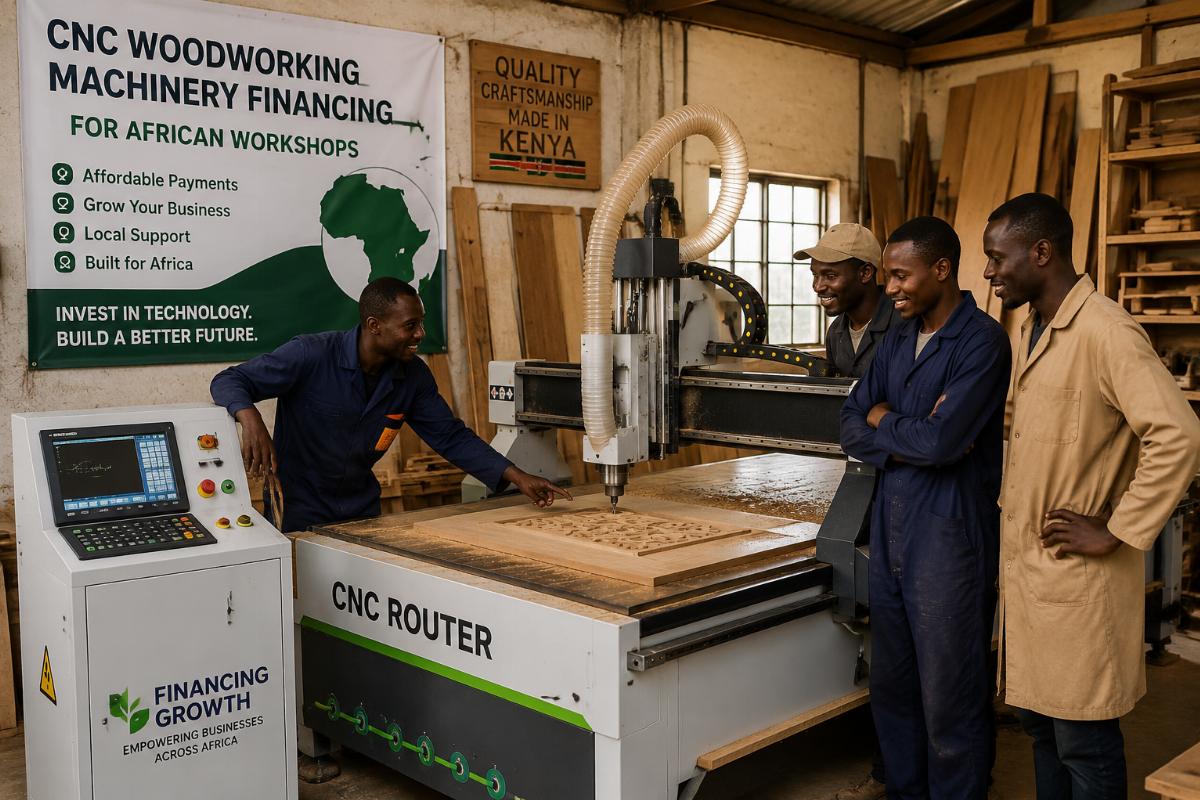
This guide breaks down the practical, actionable steps to find and secure the right financing for your specific business size and order pipeline.
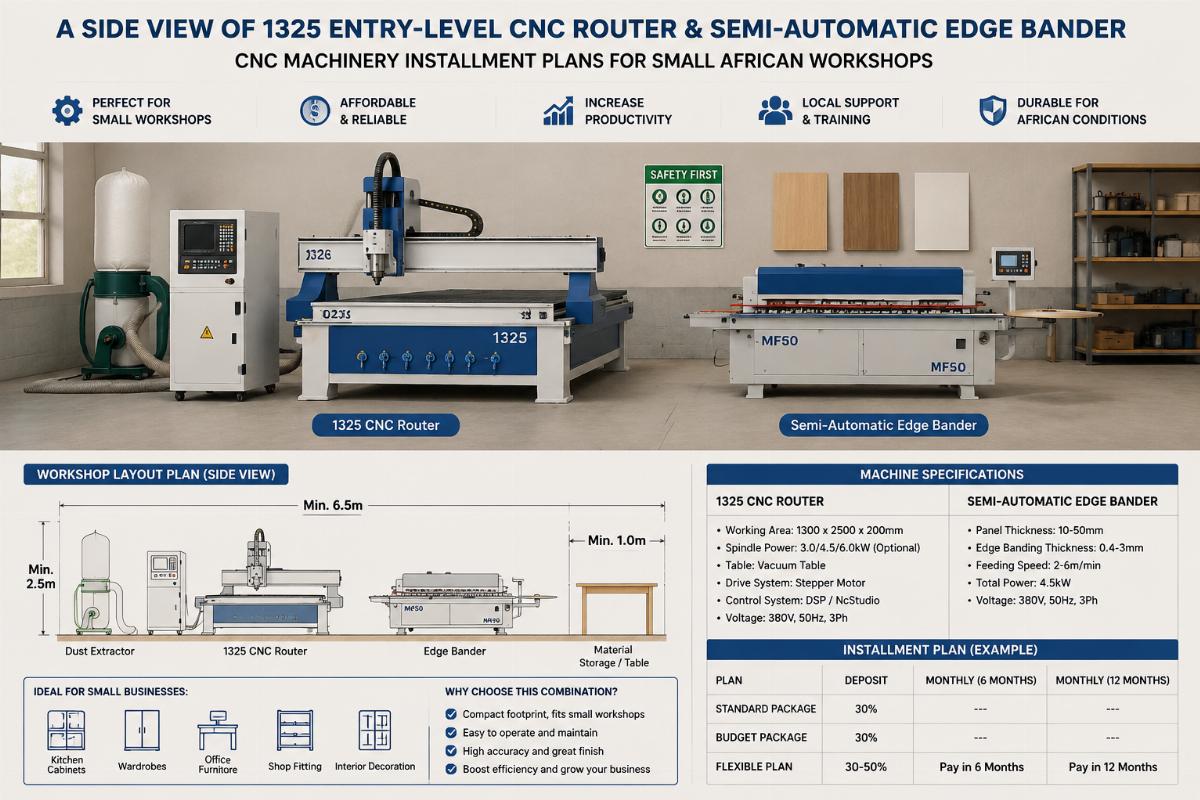
A 10-person custom cabinet startup in Nairobi, Kenya, spent six months negotiating with three local banks before connecting with a Chinese supplier that offered a 3-year installment plan for a 1325 entry-level CNC router and semi-automatic edge bander. Their monthly payments were set at 15% of their average monthly custom order revenue, and they reached full production capacity just 2 weeks after on-site installation, no collateral required. [NEED_CITE: Standard CNC woodworking equipment has a 6-12 month cost recovery cycle for entry-level models for eligible buyers]
- Auditoría de Flujo de Efectivo – Calcule su flujo de efectivo operativo mensual promedio durante los últimos 6 meses y confirme que cualquier pago mensual potencial no exceda el 20% de ese número.
- Verificación del Pipeline de Pedidos – Compilar la documentación de los contratos pre-reservados existentes para usar como prueba de elegibilidad para la financiación del proveedor, eliminando la necesidad de colateral adicional.
- Mapeo de Términos – Alinee su presupuesto de equipo con los niveles de financiamiento estándar: menos de 100k USD para planes de pago inicial, de 100k a 500k USD para planes de pago diferido de línea de producción completa, y más de 500k USD para líneas de crédito al por mayor para distribuidores.
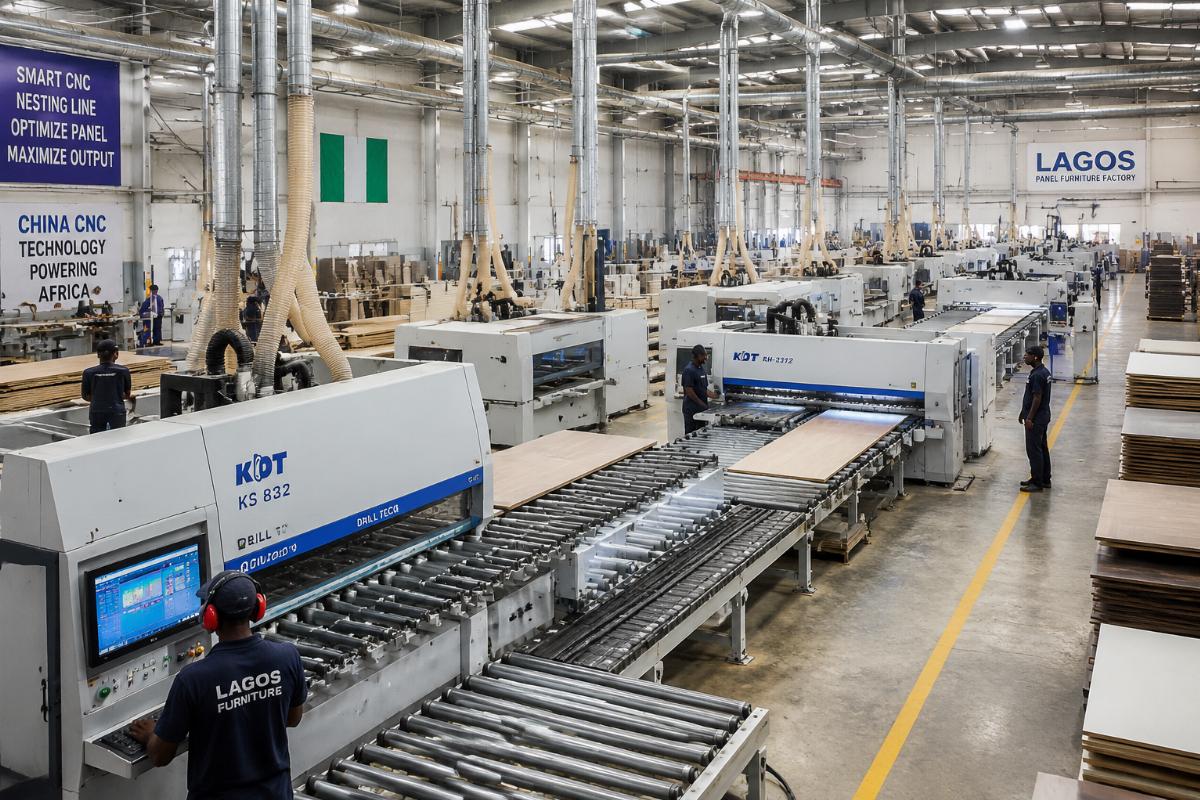
A mid-scale panel furniture factory in Lagos, Nigeria, opted for a 40% down payment deferred policy for a full automated nested CNC production line, directly matching the terms to their 6-month pre-booked bulk order contract. Within one month of installation, they increased their daily panel output by 3 times, and the deferred payment structure let them cover raw material costs for the order without taking on additional debt. A regional machinery distributor in Johannesburg, South Africa, used a bulk order credit support program for 20 units of standard CNC routers, with a 90-day payment window after container arrival that covered 80% of their local pre-sold order stock demand.
- Elegibilidad para Plan de Pagos – Confirme que su proveedor ofrece condiciones para pedidos tan pequeños como 1 unidad, sin tarifas administrativas ocultas por pago anticipado.
- Reglas de Pago Diferido – Verifique que las estructuras de pago inicial diferido no generen intereses adicionales siempre que cumpla con el cronograma de entrega de pedidos preacordado.
- Términos de Crédito a Granel – Para distribuidores, confirme que los plazos de pago comienzan desde la llegada del contenedor a su puerto local, no desde la fecha en que el envío sale de la fábrica del proveedor.
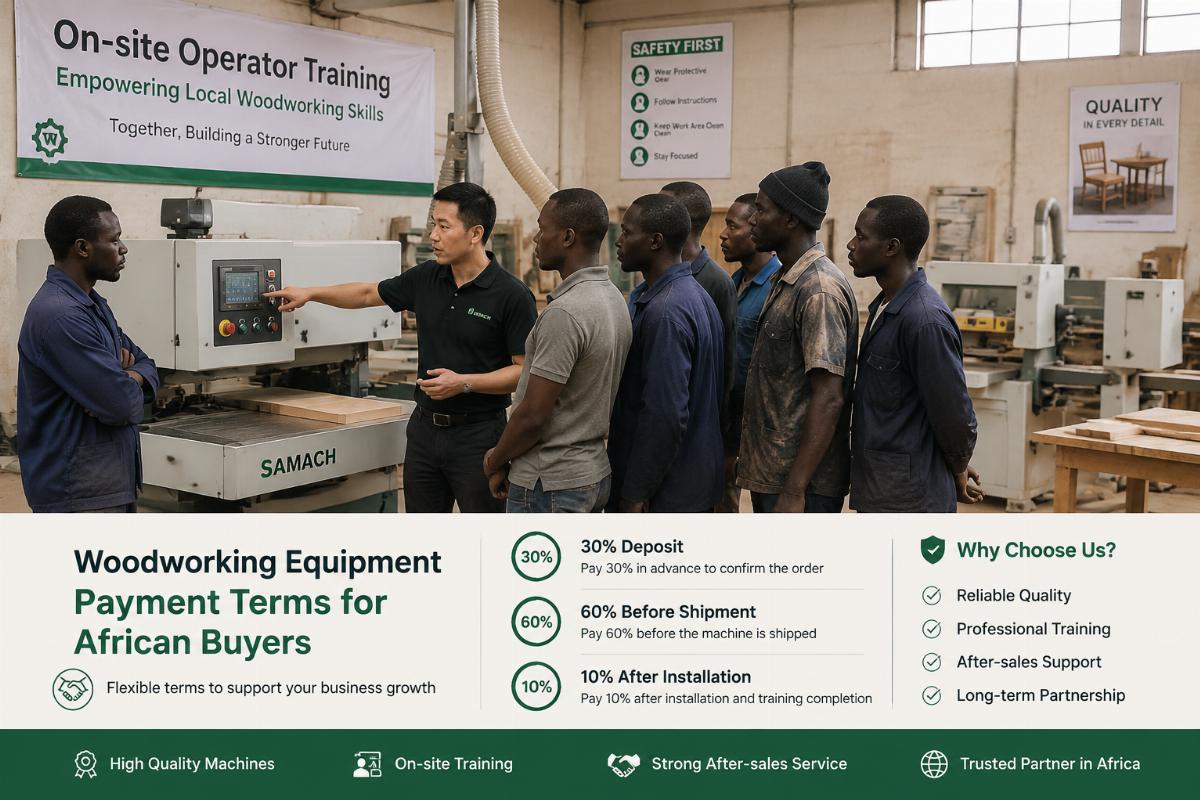
A small custom woodworking operation in Accra, Ghana, initially worked with a supplier that promised flexible terms but demanded full payment before shipment, forcing them to dip into emergency operating funds. When they switched to a supplier with clear, written financing terms, they secured a 2-year installment plan that included free operator training for two of their staff, cutting their expected post-purchase training costs by 100%.
- Solicitud de Documentación – Solicitar un formal
Leave a Reply