
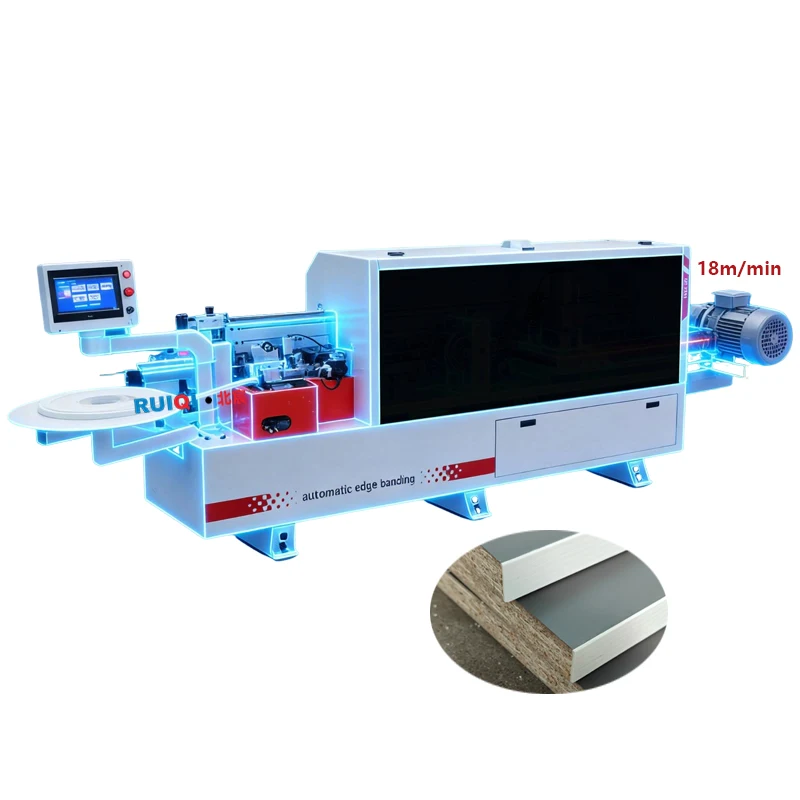

Hi, I’m Engineer Wang. Woodworking machinery is a major investment for any business, so it makes sense to do everything you can to extend its life and get the most out of your investment. With proper care and maintenance, a high-quality woodworking machine can last 10-15 years or more.
Over the past 18 years, I’ve seen hundreds of machines that were ruined by neglect and poor maintenance. I’ve also seen machines that are 10+ years old and still running like new because their owners took good care of them.
Today, I’m going to share my top tips for extending the life of your woodworking machinery.
1. Follow the Manufacturer’s Maintenance Schedule
This might seem obvious, but it’s the most important thing you can do. Every machine comes with a detailed maintenance manual that tells you exactly what needs to be done and how often. Follow it religiously.
The maintenance schedule will include:
- Daily maintenance tasks (cleaning, lubrication)
- Weekly maintenance tasks (inspecting belts and chains)
- Monthly maintenance tasks (checking electrical components)
- Quarterly and annual maintenance tasks (calibration, replacing worn parts)
We provide detailed maintenance manuals with all our machines, and our technical support team is always available to answer any questions you may have.
2. Keep Your Machines Clean
Wood dust is the biggest enemy of woodworking machinery. It gets into every nook and cranny, causing moving parts to wear out prematurely, electrical components to short out, and bearings to seize up.
Make it a rule that every operator cleans their machine at the end of every shift. Use a vacuum cleaner to remove all dust and debris from the machine, paying special attention to the motor, bearings, and electrical components. Never use compressed air to clean your machines—it can blow dust deeper into the components and cause damage.
Also, make sure your workshop has a good dust collection system. A central dust collection system will remove most of the dust at the source, keeping your machines and your workshop clean.
3. Lubricate Regularly
Proper lubrication is essential to reducing friction and wear on moving parts. Use only the lubricants recommended by the manufacturer—using the wrong lubricant can cause more harm than good.
Here are the key areas that need regular lubrication:
- Linear guide rails
- Bearings
- Chains and sprockets
- Gears
- Sliding surfaces
Lubricate these areas according to the maintenance schedule. Don’t over-lubricate—too much lubricant can attract dust and dirt, which will cause wear.
4. Train Your Operators Properly
Most machine damage is caused by operator error. Untrained operators don’t know how to use the machine properly, and they often push it beyond its limits, leading to premature wear and tear and costly breakdowns.
Make sure all your operators receive proper training on how to operate and maintain each machine. They should know:
- How to set up the machine correctly for different operations
- What the machine’s limits are
- How to perform basic maintenance tasks
- How to identify potential problems before they become serious
- What to do in case of an emergency
We offer on-site training for all our machines, and we also provide video tutorials and online support for our clients.
5. Replace Worn Parts Before They Fail
Don’t wait for a part to fail before replacing it. Worn parts can cause damage to other components, leading to more expensive repairs and longer downtime.
During regular maintenance inspections, check for signs of wear on belts, chains, bearings, blades, and other consumable parts. Replace any parts that show signs of wear immediately.
We keep a large inventory of spare parts in our warehouse(仓库), so we can ship most parts within 48 hours. We also recommend that our clients keep a stock of commonly used spare parts on hand, so they can replace them quickly if needed.
6. Store Your Machines Properly
If you have machines that you don’t use regularly, make sure you store them properly. Keep them in a clean, dry, temperature-controlled environment. Cover them with a protective cover to keep out dust and moisture.
Before storing a machine for an extended period of time, clean it thoroughly, lubricate all moving parts, and apply a rust inhibitor to any exposed metal surfaces.
By following these simple tips, you can extend the life of your woodworking machinery by years, saving you thousands of dollars in replacement costs. If you have any questions about maintaining your Ruiqi machines, don’t hesitate to contact our technical support team.
Leave a Reply