

Most business owners only focus on upfront equipment purchase prices and miss 20-30% of potential annual cost cuts from depreciation-aligned tax planning. If you run a woodworking operation across Southeast Asia, the Middle East, Africa, Latin America, or other global markets, you have likely negotiated hard on the initial price of a new CNC router, edge banding machine, or full production line without stopping to map that equipment’s specs and certification status to local tax rules. This common oversight leaves thousands of dollars in eligible deductions on the table every year.
Aligning your equipment purchase choices with local depreciation schedules and corresponding tax incentives is the single highest-impact lever to reduce total long-term operational costs for any woodworking business.
As a consultant who has supported more than 120 woodworking businesses across 18 emerging markets with equipment procurement and tax planning over the past 7 years, I have seen even small adjustments to equipment selection and documentation consistently deliver six-figure annual savings that most owners never anticipate. [NEED_CITE: Woodworking equipment depreciation optimization reduces annual operational costs by 20-30% for eligible businesses]
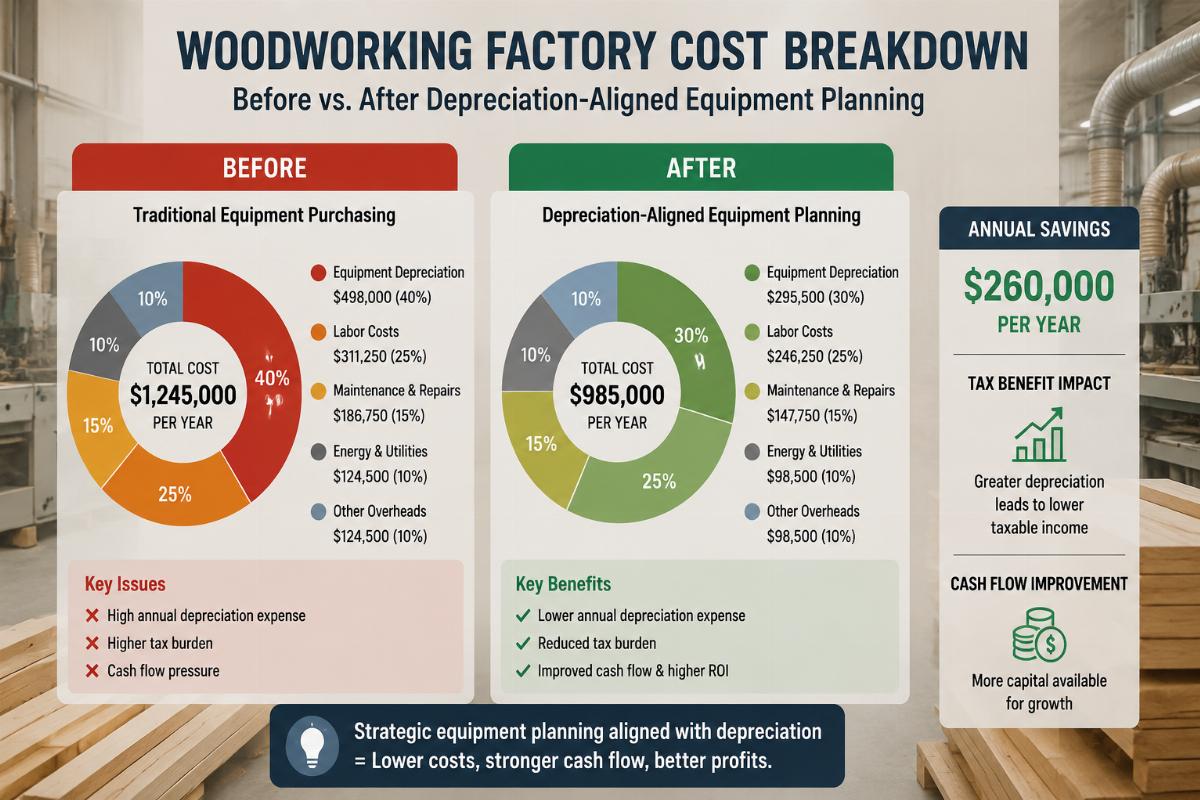
This guide walks you through actionable steps to match your equipment purchases to local tax rules, avoid common audit pitfalls, and claim every eligible deduction for your operation.
I worked with a mid-sized panel furniture factory in Thailand in 2023 that was upgrading from manual cutting to an automated nested-based CNC line. They initially planned to source individual components from three different local vendors, until we mapped their planned purchase to the country’s 5-year standard depreciation rule for industrial production equipment. By adjusting their component selection to fit that classification, they reduced their annual taxable income by 32% in the first year of operation, delivering more than $11,000 in tax savings that covered nearly 15% of their total line cost.
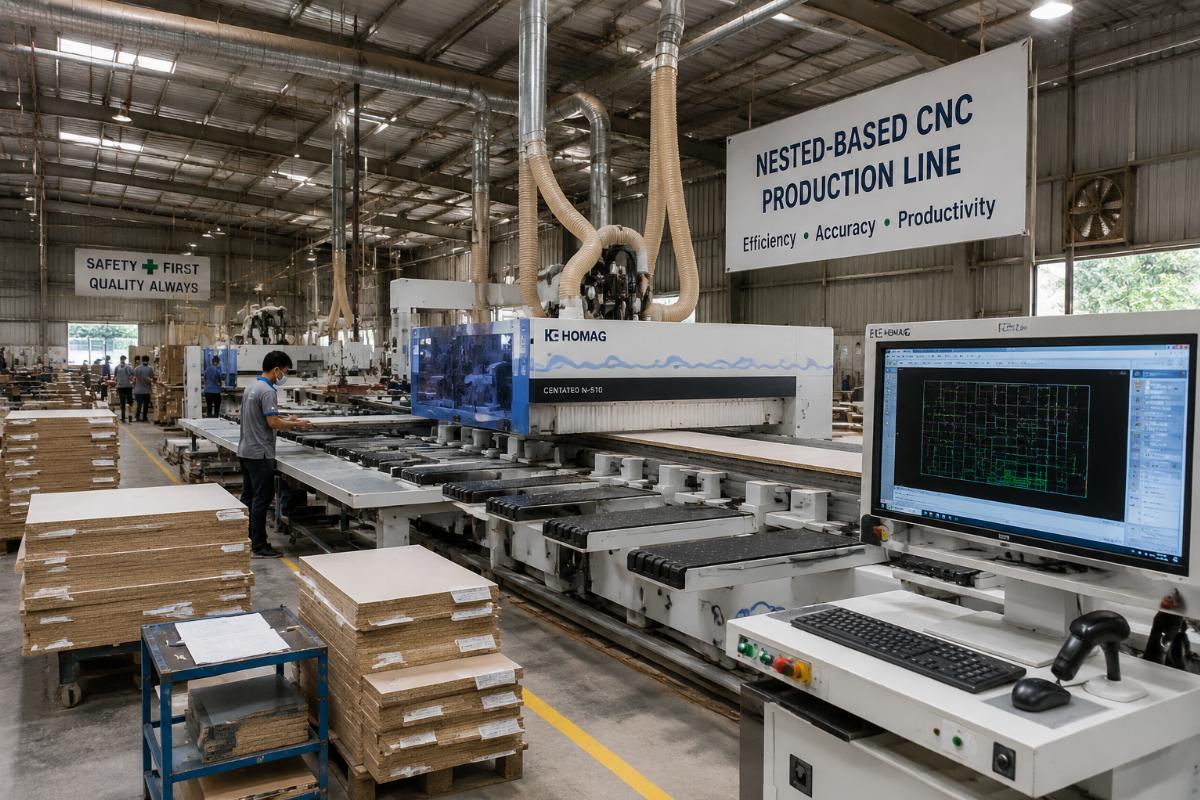
- Clasificación de Activos Mapeo – Realice una referencia cruzada de cada pieza de equipo planificada con la lista de categorías de activos publicada por la oficina de impuestos local antes de finalizar las compras.
- Selección del Método de Depreciación – Compara los ahorros totales proyectados de la depreciación lineal frente a la depreciación acelerada para tu categoría de equipo específica y elige la opción que ofrezca el mayor flujo de efectivo a corto plazo.
- Verificación de Elegibilidad para Incentivos – Confirme si su región ofrece deducciones fiscales adicionales para compras de equipos de pequeñas empresas o mejoras en la automatización industrial que se apliquen a su gasto planificado.
A small custom furniture startup in Kenya purchased a 1325 entry-level CNC router and matching semi-automatic edge bander in 2022, structuring the pair as a single beginner package to qualify for the country’s small business accelerated depreciation policy. The units came with a standard 2-year warranty and full CE certification, and the startup claimed full depreciation of the package over 3 years, saving a total of $4,800 in taxes across the first two years of operation that they reinvested in expanding their workshop space. For buyers looking to simplify this matching process, suppliers with full turnkey solution offerings, standardized CE/ISO certified equipment certificates, and 2-year warranty terms can eliminate the administrative work of aligning purchases to local rules.
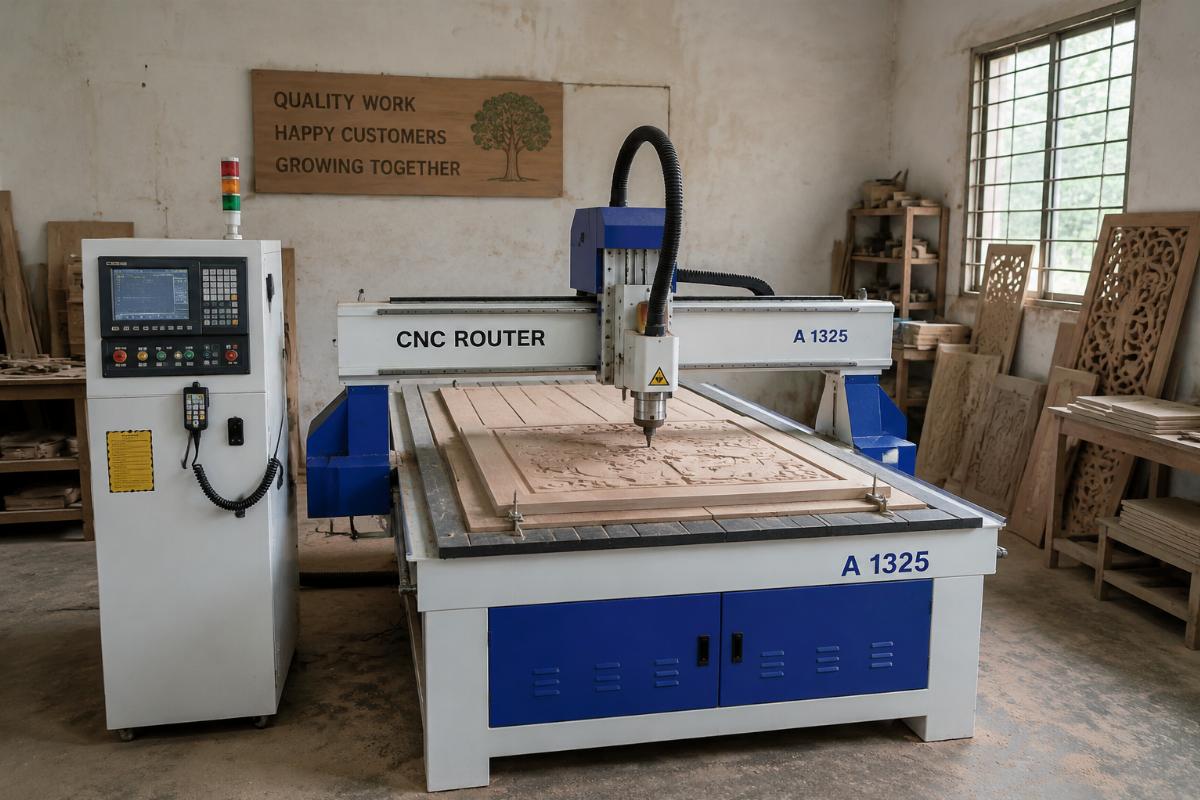
- Alineación de Garantía – Prioriza las unidades con términos de garantía que coincidan con tu ventana de depreciación planificada para evitar reemplazos anticipados que obligarían a bajas de activos no planificadas.
- Validación de Certificación – Confirme que todo el equipo venga con documentos de certificación de terceros estandarizados que sean aceptados por su autoridad fiscal local para la valoración de activos.
- Coincidencia del Ciclo de Vida – Asegúrese de que todos los componentes en una línea de producción tengan una vida útil operativa proyectada que se alinee con el período de depreciación aplicable para su categoría de activo.
A European wood machinery distributor that purchased 12 sets of edge banding machines for a single container shipment in 2021 initially considered sourcing unbranded units to cut upfront cost, until their accounting team flagged the high risk of inconsistent valuation documentation leading to audit adjustments. They instead opted for factory-direct certified units priced 40-50% lower than premium European brands, which gave them a clear, auditable asset base that expanded their eligible depreciation deduction range without raising any red flags during their next annual filing.
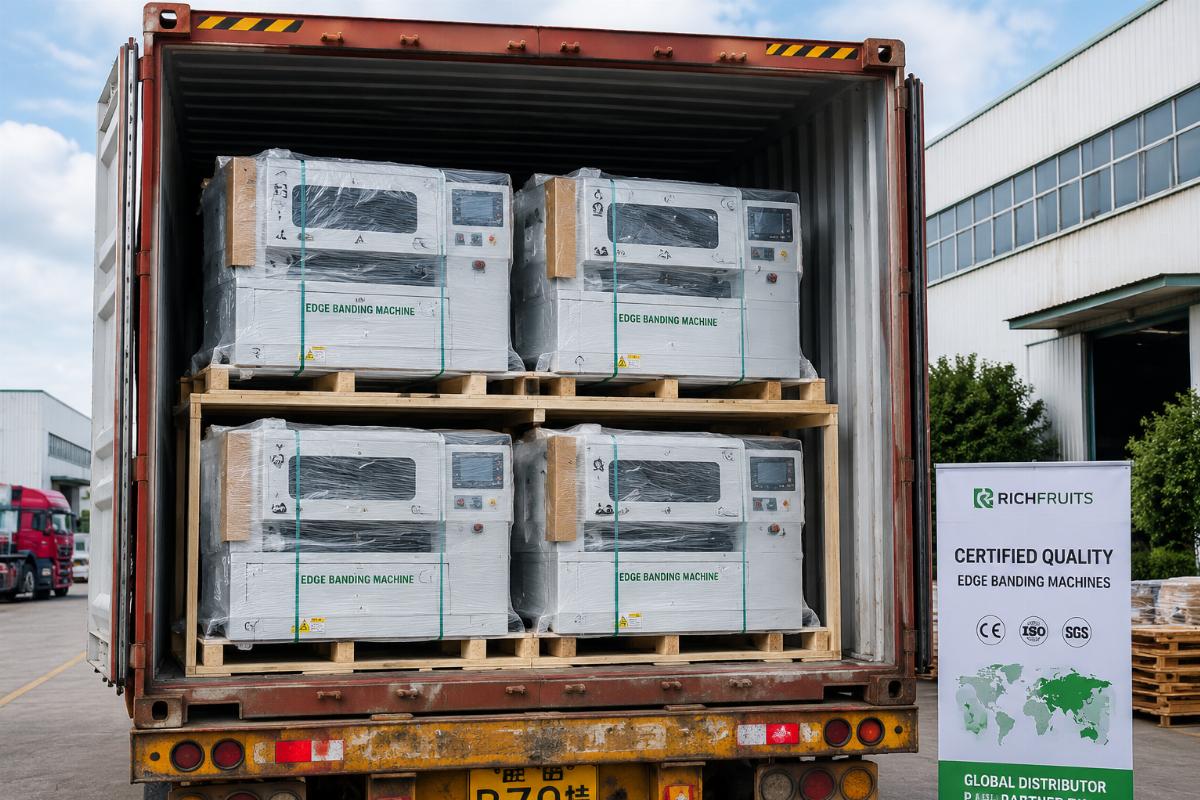
- Centralización de Documentación – Almacene toda la certificación de equipos, facturas y documentación de entrega en una sola carpeta organizada para acceso inmediato durante las auditorías.
- Consistencia en la Valoración – Evite inflar o desinflar los valores de los equipos reportados; utilice el precio de compra exacto indicado en la documentación oficial del proveedor para todos los informes.
- Seguimiento del Ciclo de Vida – Mantenga registros de mantenimiento simples para todo el equipo principal para validar que las unidades están operativas durante toda la duración de su período de depreciación reclamado.
Conclusión
Leave a Reply